Choosing a Preschool in West Covina: A Practical Guide
Practical guidance from the people who run the school — written to be useful whether or not you choose us.
Touring preschools is strange. Every lobby has bright walls and a welcome sign; every director says the word safe within the first minute. After the third tour they blur together, and most parents end up deciding on gut feeling and driving distance. That is not a bad instinct, but there are better things to look at, and none of them are on the wall.
This is what we would look for if we were choosing a preschool in West Covina for our own two-, three-, or four-year-old, with a plain look at our own school at the end.
Watch the Adults, Not the Walls
The single most predictive thing on any tour is how teachers talk to children when they think nobody important is watching. Crouch-down-to-eye-level conversations, a teacher who narrates what a toddler is doing (you stacked the red one on the blue one!), gentle hands during a tantrum: these are the signs of a room where children feel secure. A beautiful classroom with a distracted or irritable adult in it is just a beautiful room. Stay long enough on your tour to see an ordinary moment, not just the rehearsed one.
Ask to See the Daily Schedule
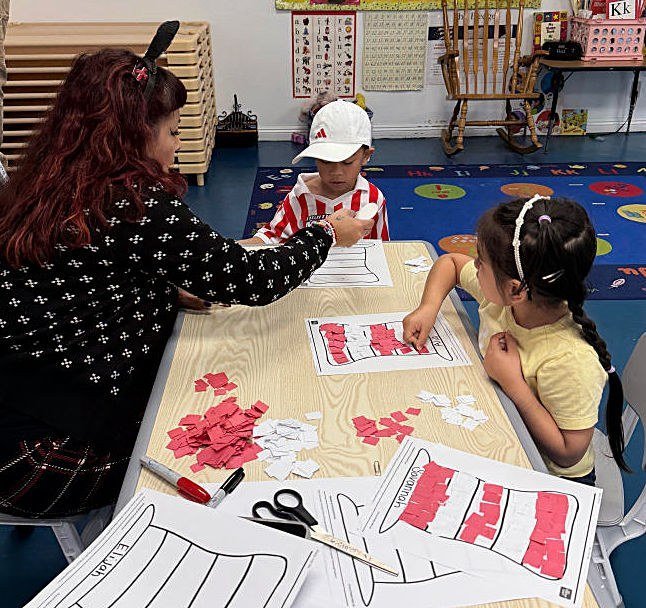
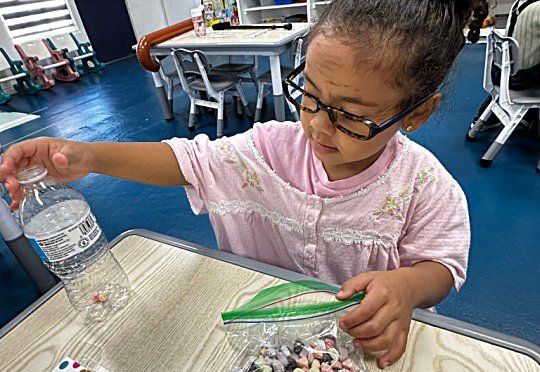
Not the curriculum brochure, the actual daily rhythm. Young children thrive on predictability: they behave better and separate from parents more easily when the day has a shape they can feel. You want to see a healthy alternation: active time then calm time, group time then free play, outdoor time every day, unhurried meals, real rest. You want to avoid a day that is either a shapeless free-for-all or a march of back-to-back adult-directed activities. Ask the director to walk you through yesterday, hour by hour. A good school can do this instantly and with specifics.
Learning Should Look Like Play
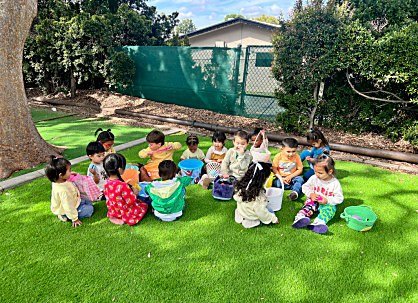
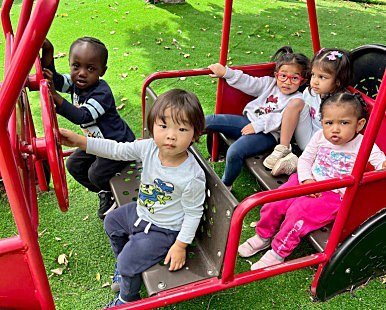
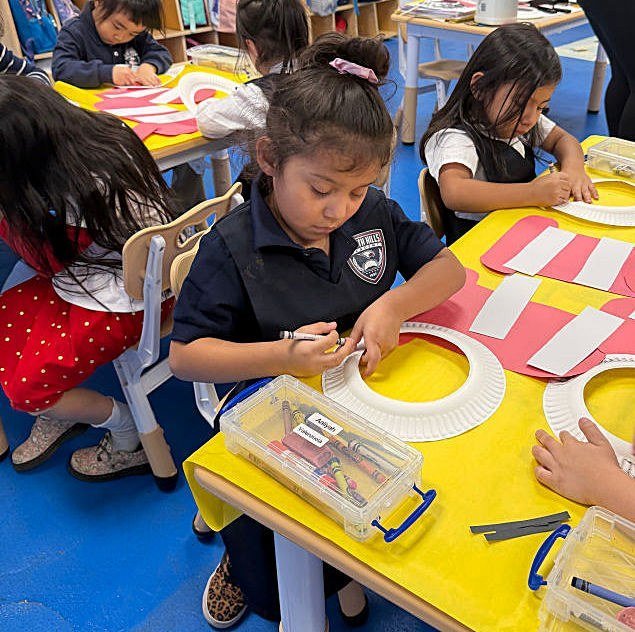
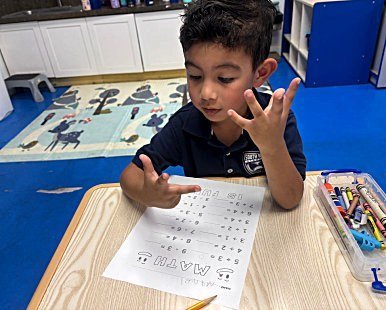
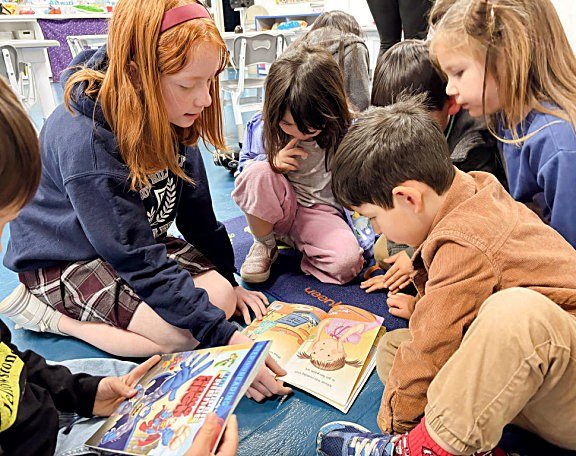
A trap well-meaning parents fall into: judging a preschool by how much it resembles elementary school. Worksheets at age three photograph well and teach little. Decades of early-childhood research point the same direction: at this age, children learn language, numbers, and self-control best through play that has been thoughtfully set up by adults. Counting happens while setting the table for snack. Vocabulary grows through stories read aloud and conversations at the sand table. Science starts with watching a seed you planted come up.
So on your tour, do not ask do you teach academics? Every school says yes. Ask instead: show me where the counting happens. Show me where the letters happen. A strong preschool can point at real activities; a weak one points at a workbook.
Safety and the Unglamorous Basics
Some things you should verify rather than feel out: how children are signed in and out and who is allowed to pick up, how the school handles allergies and medication, what the sick-child policy is, how many adults are with each group of children, and whether the outdoor space is fenced and maintained. Ask to see the license. A good director answers these questions all day and respects parents who ask them.
The Kindergarten Question Almost Nobody Asks
The factor families most often overlook: what happens after preschool. The jump to kindergarten is one of the bigger transitions of early childhood: new campus, new teachers, new expectations, often a completely new set of friends. When preschool and elementary school are separate institutions, the child starts over at age five.
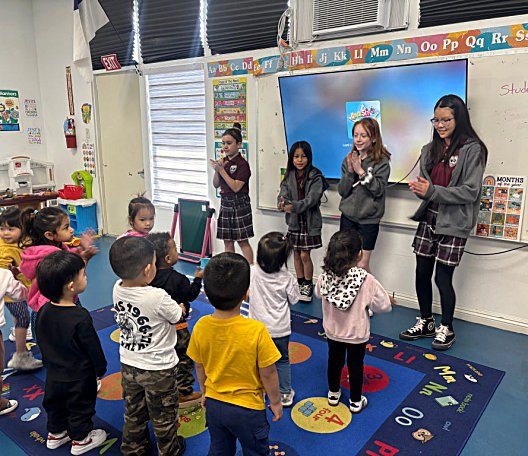
When they are connected, the transition almost disappears. The kindergarten teachers already know the preschool teachers; the campus is already familiar; the older kids on the playground include faces your child knows. Ask every preschool you tour: where do your children typically go for kindergarten, and what do you do to prepare them? The quality of the answer tells you how far ahead the school is thinking.
What Our Preschool Looks Like
South Hills Academy has served West Covina families since 1957, and our preschool takes children ages 2–4 on the same Lower School Campus as our PK–Grade 8 program. A few specifics, since we just told you to demand them from everyone:
- A real garden. Our preschoolers plant, water, and harvest vegetables. It is patience, science, and responsibility disguised as digging in dirt.
- A children's kitchen. They wash, measure, and help prepare simple food. Measuring is early math, and eating something you made is early confidence.
- Storytelling every day. Read-alouds and told stories, because vocabulary at this age is built through thousands of unhurried conversations and books.
- A peace corner. When two children clash, they learn to sit down, take turns talking, and resolve it, with a teacher coaching rather than punishing. Naming a feeling at three is worth more than any worksheet.
- A built-in path to kindergarten. Our preschoolers move up to our elementary school on a campus they already call theirs, with teachers who already know them.
For tuition and current openings, send us a quick inquiry and we will get back to you with the details for your schedule.
Ten Minutes of Questions for Any Tour
Take this list to every school you visit, including ours:
- Walk me through yesterday, hour by hour.
- How do you handle a child who bites, hits, or melts down?
- How will I hear about my child's day, and how often?
- Show me where counting, letters, and language happen.
- Where do your children go for kindergarten, and how do you prepare them?
Any school worth your child can answer all five in ten minutes, with examples. Come ask us; we will happily go first.